


Too often, organizations treat “knowledge” as something to be managed rather than created. They are missing the deeper opportunity to empower employees as innovators through “knowledge flows”.
In a previous post in this series, we highlighted several of the ongoing EU-wide research projects contributing to the Industry 5.0 vision, supported by the EU Horizon Europe research program. In this post we will add summaries of additional EU research projects addressing similar themes, including those from another EU research programs.
In this series of two posts, we will highlight several of the ongoing EU-wide research projects contributing to the Industry 5.0 vision, supported by the EU Horizon Europe research program.
The title of this post is borrowed from Steve’s Substack post on Dec 24th (we know: some of you were still busy wrapping presents) was particularly relevant for our work with faculty members in the Humanities and Social Sciences and our “business case” for their students as potential contributors of distinctive value in workplace innovation teams.
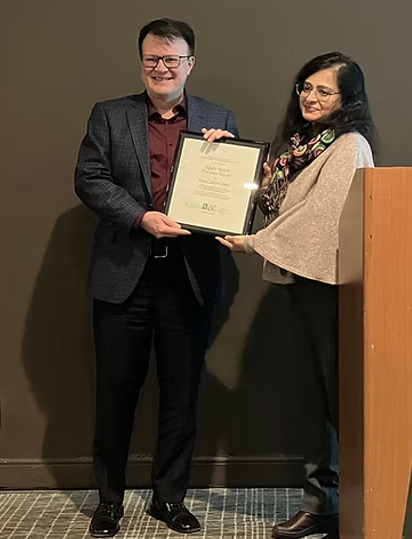
In June of 2024, Dr. Juan Carlos López of Acadia University participated in our pre-conference workshop on Helping Students to Develop Capability for Inclusive Innovation in the Workplace: An Interdisciplinary Collaboration at the annual meeting of the Society for Teaching and Learning in Higher Education (STLHE) annual meeting in Niagara Falls.